CQ Audiology Visiting Sites
Understanding Muffled Hearing in Lakes Creek
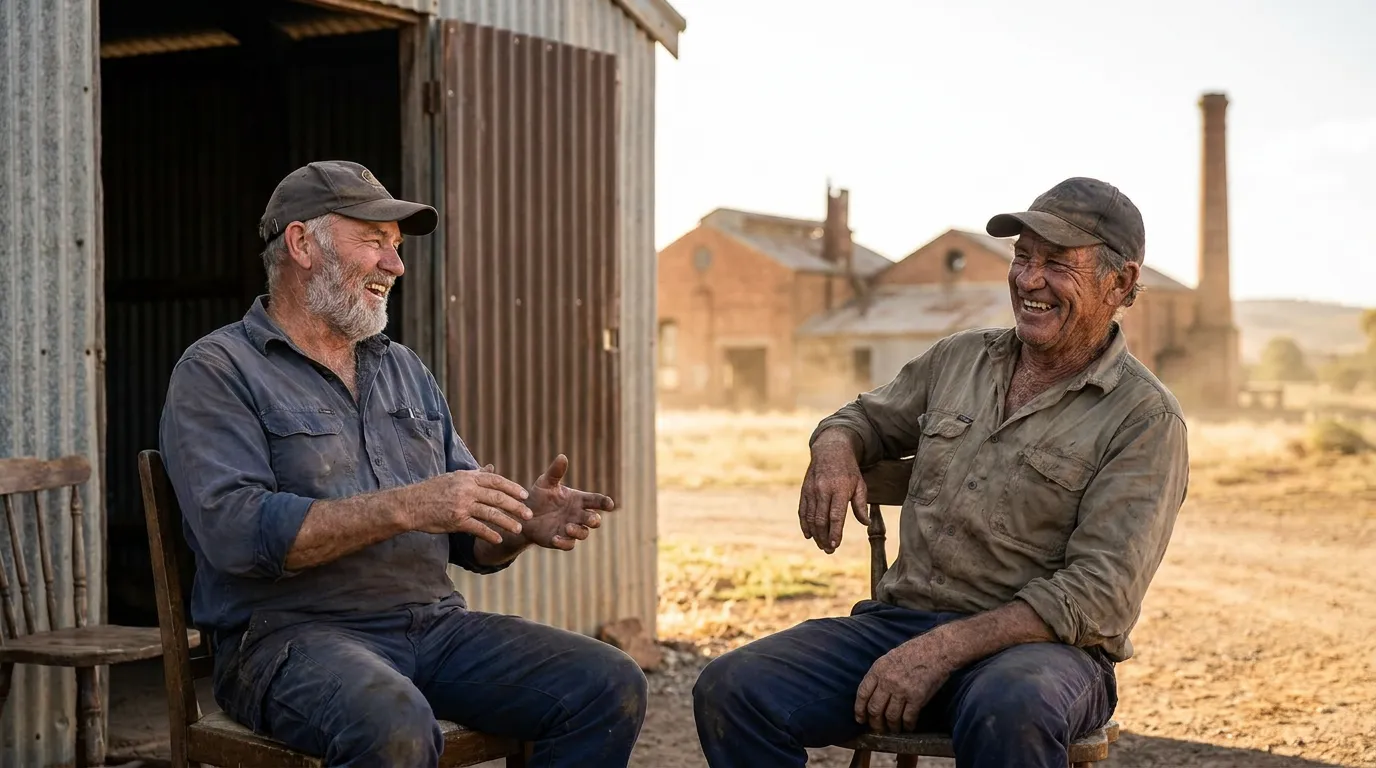
Few places in Rockhampton carry as much working history as Lakes Creek. The meatworks that once operated here shaped the suburb, its rhythms, and the lives of generations of families who clocked on and off through decades of Queensland beef production. That heritage is part of the local identity: a close community forged through shared labour, shared shifts, and shared noise. It is exactly that last element, noise, that makes hearing health a particularly relevant conversation for Lakes Creek residents, past and present. Muffled hearing in Lakes Creek is not just a symptom worth noticing. For this community, it is part of a longer story.
An Industrial Heritage and What It Means for Hearing
The historic Lakes Creek meatworks was one of Queensland's most significant beef processing operations at its peak. Thousands of workers spent careers inside a building defined by loud machinery, refrigeration systems, processing equipment, and the constant activity of a large industrial plant. Occupational noise exposure of that scale, sustained over years or decades, is among the most well-documented contributors to hearing change that audiologists assess.
Many Lakes Creek residents who worked at the meatworks, or whose family members did, may carry some legacy of that noise exposure. Some will have noticed hearing changes years ago and adapted. Others are only now registering that conversations feel softer, or that they are working harder to hear than they used to. Neither experience is unusual, and neither is something to dismiss.
This is not a diagnosis. Muffled hearing has many potential contributors, and only a proper audiological assessment can identify what is actually happening for a particular individual. But the history matters, and it is worth mentioning when you speak to an audiologist.
What Muffled Hearing Feels Like in Practice
In a tight-knit suburb where community interaction still matters, at the local shops, at the footy, at family gatherings along the creek, muffled hearing tends to surface in the moments that count most. People describe it in different ways:
- Conversations at the table sounding like everyone is talking into a pillow
- Missing the first few words of a sentence and spending the rest of it catching up
- Finding noisy environments, such as a pub after a game or a busy kitchen, genuinely exhausting to navigate
- A distinct difference between what one ear picks up and what the other does
- The world sounding subtly different, slightly muted, the way things sound after an aeroplane descent before your ears pop
- Ringing or a low hum that lingers after a loud event
For people who spent years in a loud working environment and compensated effectively, the muffling may have crept in so gradually it seems normal now. It is not. It is worth assessing.
How to Prepare for an Audiological Assessment
You know your own history better than anyone. Before your appointment with an audiologist, it helps to think through the things they are likely to ask about:
Your occupational history: how many years you worked in noisy environments, whether you used hearing protection consistently, and what kind of equipment or machinery you were exposed to.
Your current symptoms: when you first noticed them, whether they are getting worse, and whether there are specific situations that bring out the muffled quality.
Any other factors: illness, ear infections, tinnitus (ringing or buzzing), family history of hearing change.
If you have had any previous hearing assessments, try to recall the results or see if your GP has records.
And one firm piece of advice for everyone: do not use cotton buds, small tools, or any other object to try to clear your ears before (or after) an appointment. This applies regardless of whether you think earwax is involved.
Hearing Services for Lakes Creek Residents
CQ Audiology's practice is based in Rockhampton, and for Lakes Creek residents, the city is familiar territory. The suburb sits in the city's north-eastern reaches, with the Rockhampton CBD an easy drive away, the same route residents take for shopping, medical appointments, and everything else the city offers.
Lakes Creek residents are warmly welcomed at CQ Audiology's Rockhampton practice. The team provides comprehensive hearing assessments, and if you have a history of occupational noise exposure, it is worth discussing relevant funding options with your GP or an audiologist. Eligible pensioner concession card and DVA card holders may access services; eligibility criteria apply, and conditions apply under the Australian Government Hearing Services Program. Appointments can be booked at www.cqaudiology.com.au .
When Is It Time to Get an Assessment?
For Lakes Creek residents with an occupational noise history, the short answer is: sooner than feels necessary.
More specifically:
- If muffled hearing has been present for weeks or months and not resolved, book an appointment
- If there is a notable difference between your two ears, do not wait
- If ringing or buzzing accompanies the muffled quality, that combination deserves prompt assessment
- If you have never had a formal hearing assessment despite years of noise exposure, consider it overdue
- If family members have been raising your hearing as a concern, take their observation seriously
An audiological assessment is a starting point. It gives you information and allows you to make informed decisions about next steps. For a community that has given a lot to this industry, that information is worth having.
About CQ Audiology
CQ Audiology is a locally based audiology practice in Rockhampton, Central Queensland, providing hearing assessments and consultations for residents across the Rockhampton region, including Lakes Creek. To learn more or book an appointment, visit www.cqaudiology.com.au .