What is Earwax Removal?
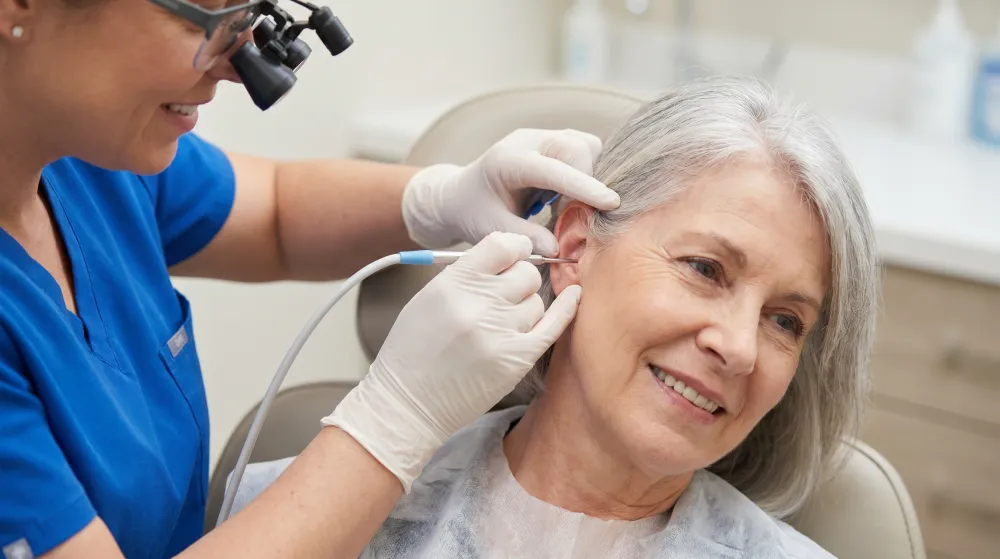
Earwax removal at our hearing clinic is a common procedure designed to clear excess or impacted earwax (cerumen) from the ear canal. Earwax is a natural substance produced by glands in the ear canal that helps protect and lubricate the ears. However, when too much earwax accumulates, it can lead to blockage, discomfort, hearing loss, tinnitus, and sometimes infection. Micro-suction is the method most commonly used in our clinic. A small, gentle vacuum device is used to suck out the earwax under direct visualization with a microscope or a special magnifying lens.
Before the procedure of Earwax Removal

Consultation
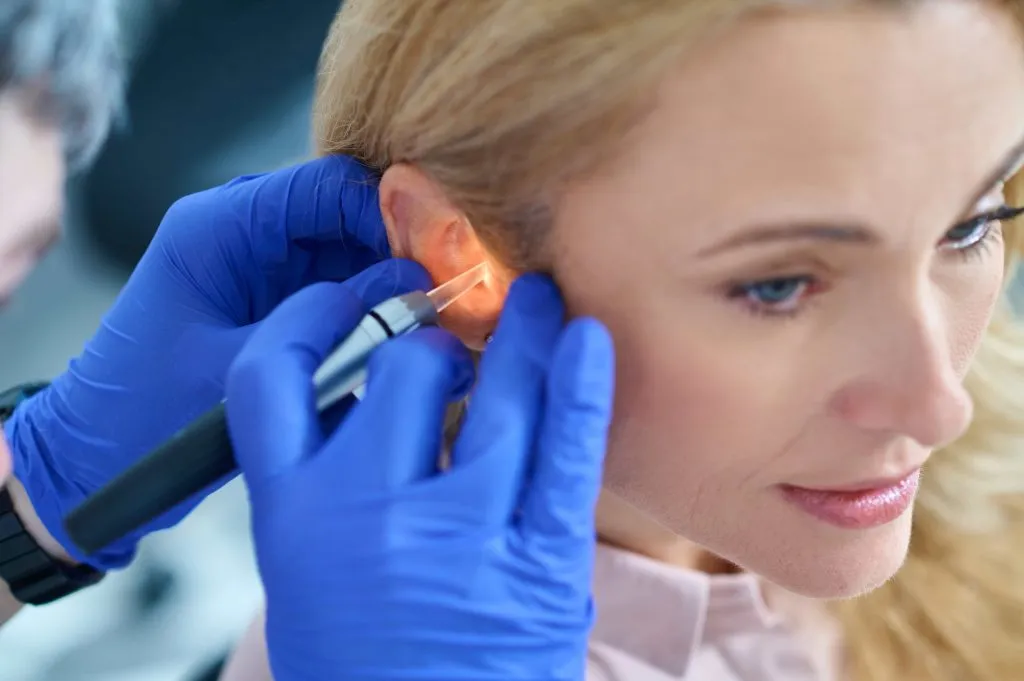
The clinician typically uses an otoscope, a specialized tool equipped with a light and magnifying lens, to carefully inspect the inner structure of the ear. This examination helps to confirm whether a buildup of earwax is present, which could potentially obstruct hearing or cause discomfort. Additionally, the clinician looks at the ear canal and eardrum. This evaluation helps the clinician decide on the most suitable approach.
Discussion of Methods
The practitioner will conduct a thorough evaluation to determine the most appropriate method for earwax removal, taking into account the quantity and consistency of the wax build-up, as well as any previous ear conditions you may have experienced. This personalised approach helps ensure the removal process is safe and comfortable. Micro-suction, performed by a trained clinician using a microscope or magnifying lens, is the method most commonly used in our clinic. Manual removal with specialised instruments may also be used where appropriate. This careful assessment helps support good ear health and comfortable hearing.
After the procedure of Earwax Removal

What You May Notice
Many people notice an improvement in their hearing and a feeling of comfort after earwax removal. Clearing a blockage can help sound reach the eardrum more easily, and any pressure or discomfort caused by the built-up wax is often relieved.

Post-Procedure Care
Clinicians can offer general guidance on maintaining ear health after earwax removal. A common recommendation is to avoid putting cotton buds or other objects in your ears, as this can push wax further into the ear canal and make the problem worse. If you notice a build-up of earwax in future, book an appointment with your GP or audiologist for a proper assessment and safe, professional removal, rather than attempting to treat it at home. Regular check-ups can help you stay on top of your ear health over time.