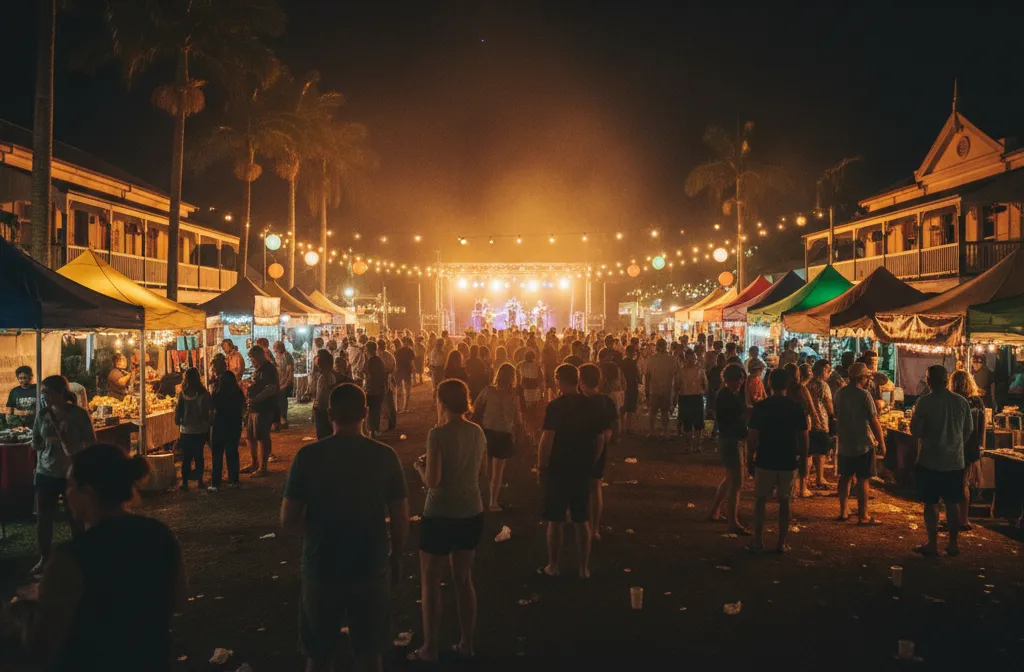
Central Queensland knows how to put on an event. From the roar of engines at Rocky Nats to the crowd noise at Beef Australia and the arena action at local rodeos, these gatherings are part of life out here. They are also, in hearing health terms, genuinely loud environments.
That is not a reason to stay home. It is a reason to come prepared.
How Loud Are These Events, Really?
Sound is measured in decibels (dB). A normal conversation sits around 60 dB. A lawnmower reaches about 90 dB. Research suggests that sustained exposure above 85 dB can begin to affect hearing over time (National Acoustic Laboratories, 2019).
Here is a rough guide to what you might encounter at popular CQ events:
- Speedway and motorsport (Rocky Nats, local circuits): Engine noise regularly reaches 95-110 dB, particularly in the pit area and near the track
- Rodeo arenas: PA systems, crowd noise, and chute activity can reach 90-100 dB in peak moments
- Beef Australia and agricultural shows: While much of the event is at moderate levels, machinery demonstrations, fireworks, and livestock areas can produce sharp bursts of noise well above safe thresholds
- Live music stages: Even mid-sized stage setups at show events can reach 100-105 dB within close range
A single loud burst, such as a starting pistol, a fireworks display, or a backfire, can reach 140 dB or more. Short, sharp exposures like these may affect hearing differently than sustained noise, and are worth taking seriously.
Why Even Short Bursts Can Matter
One common misconception is that hearing damage only comes from spending long hours in a noisy workplace. In reality, even brief exposure to very high levels can have an effect on the delicate hair cells inside the inner ear.
These cells do not regenerate. Once affected, the change is generally permanent.
A review published in American Family Physician (Rabinowitz, 2000) found that recreational noise, including concerts, motorsport, and firearms, is a significant and often overlooked contributor to noise-related hearing changes in the community.
The good news is that appropriate ear protection, worn consistently, can substantially reduce the level of noise reaching the inner ear.
Types of Ear Protection: What Works at Events
Disposable Foam Earplugs
Foam earplugs are affordable, widely available, and effective when inserted correctly. They typically offer a noise reduction rating (NRR) of 25-33 dB, which can bring the noise level at a speedway event into a much more manageable range.
The key word is "correctly." Foam plugs that are not rolled tight enough and inserted deep enough provide far less protection than their rating suggests. It is worth practising at home before you rely on them at a loud event.
Reusable Silicone and Flanged Earplugs
These are more comfortable for many people over longer wear periods. Some styles are designed to reduce volume without significantly distorting sound quality, a useful feature if you want to follow commentary or have a conversation while still protecting your hearing.
Earmuffs (Over-Ear)
Earmuff-style protectors are often easier to fit consistently, particularly for children, and are simple to take on and off. They are a practical choice for families attending events. Look for earmuffs rated to at least NRR 25 for motorsport or rodeo environments.
Electronic Hearing Protection
Electronic earmuffs use built-in microphones to allow normal conversation and ambient sound at safe levels, while automatically limiting louder sounds. They are popular among shooting sports participants and are increasingly used by event staff and frequent spectators. They tend to cost more than passive options but offer a good balance of protection and usability.
Custom-Fitted Hearing Protection
An audiologist can take moulds of your ear canals and have custom-fitted earplugs made. These offer a precise, comfortable fit and are worth considering for people who attend loud events regularly, including those who work at shows or race events as volunteers or staff.
Children at Loud Events: Extra Care Required
Children's hearing is at least as vulnerable to noise as adults', and arguably more so during development. A child who is uncomfortable with ear protection, or who does not understand why it matters, may remove it at exactly the moment the noise peaks.
A few practical suggestions:
- Start them young. Children who wear earmuffs from an early age tend to accept them more readily than those introduced to them later
- Choose correctly sized gear. Adult earmuffs do not seal properly on small heads. Children-specific earmuffs are widely available and much more effective
- Make it normal. If the adults in the group are also wearing protection, children are more likely to keep theirs on
- Watch for signals. If a child is covering their ears, that is a clear sign the noise level is too high for comfort, which likely means it is too high for safety as well
Practical Tips for CQ Event-Goers
Bring your own. Do not assume ear protection will be available at the gate. Pack foam plugs or earmuffs in your bag the same way you would pack sunscreen.
Take breaks. Moving away from the loudest areas, even for ten minutes, gives your ears a chance to recover between exposures.
Watch the distance. The closer you are to the noise source, the higher the level. Standing further back from a stage or a track entry point makes a meaningful difference.
Know about temporary threshold shift. If your ears ring or sounds seem muffled after a loud event, that is your auditory system signalling it has been stressed. While this muffling often resolves overnight, repeated episodes may contribute to longer-term changes.
A Word About Regular Hearing Checks
If you attend loud events regularly, work in a noisy industry, or have noticed any changes in how you hear, even subtle ones, it is worth talking to an audiologist. A baseline hearing assessment gives you a reference point and can help identify any changes over time.
CQ Audiology offers hearing assessments across Central Queensland for adults and children.
Frequently Asked Questions
Q: How long can I safely be at a loud event without ear protection? Research suggests that at 100 dB, a common level near event stages or motorsport tracks, the recommended safe exposure without protection is around 15 minutes. At 110 dB, this drops to approximately 2 minutes. These figures vary by individual, and wearing appropriate hearing protection substantially changes what is considered safe exposure.
Q: Can I use headphones as hearing protection at a noisy event? Standard headphones and earbuds are not designed as hearing protectors and do not have a certified noise reduction rating. They should not be used as a substitute for proper ear protection. Some noise-cancelling headphones may reduce ambient noise, but they are not rated for industrial or event noise levels.
Q: My child refuses to wear earmuffs. What can I do? Many children resist earmuffs initially. Letting them choose their own (many come in bright colours or character themes), having them see other family members wearing protection, and practising wearing them at home before the event can all help. If a child is genuinely distressed by noise at events, it may be worth discussing this with your GP or an audiologist.
Q: Is the ringing in my ears after a loud event permanent? Temporary ringing (tinnitus) after a loud event often settles within a day or two. However, repeated episodes may reflect cumulative noise exposure, and it is worth discussing with an audiologist if this happens frequently or if the ringing does not resolve.
Concerned about your hearing?
Book a comprehensive assessment with our Rockhampton clinic.
Book an Appointment