



Independent Audiology · Rockhampton & Central QLD
Hear every moment by the bay
Hearing care for the Capricorn Coast — from Yeppoon to Rockhampton and beyond.
Stay connected across the Highlands
Bringing professional hearing care to Emerald and the Central Highlands.
Never miss the stories that matter
Trusted, local hearing care for Mount Morgan and the Rockhampton region.
Hear the country you call home
Professional hearing care for Yaamba and rural Central Queensland.
Welcome to CQ Audiology
Local, family-run hearing care for Rockhampton
Prioritising personalised, community-focused care, CQ Audiology offers a comprehensive range of services to address individual hearing needs. We are a local, family-run business dedicated to serving Rockhampton and the surrounding areas with professional audiological care.
What we do
Comprehensive hearing services
From your first hearing test to ongoing care, everything you need under one roof.
Hearing Aids Consultation and Fitting
Discover the perfect hearing aid for your needs with our expert consultation and fitting services. We offer a wide range of advanced hearing aids tailored to enhance your hearing experience and comfort.
Learn more →Comprehensive Hearing Assessment
Ensure your hearing health with our thorough hearing assessments. Our audiologists use the latest technology to evaluate your hearing and provide personalized recommendations for optimal hearing care.
Learn more →Hearing Aid Repairs and Maintenance
Keep your hearing aids in top condition with our reliable repair and maintenance services. We handle everything from minor adjustments to major repairs, ensuring your devices function flawlessly.
Learn more →Cochlear Implant Assessment
Explore the benefits of cochlear implants with our specialized assessment services. We evaluate your suitability for implants and guide you through the process, enhancing your hearing capabilities.
Learn more →Assistive Listening Devices
Improve your hearing experience in challenging environments with our assistive listening devices. From TV amplifiers to personal listeners, we offer solutions to enhance your auditory experience.
Learn more →Hearing Prevention Programs
Protect your hearing with our comprehensive prevention programs. We offer education, screenings, and customized solutions to safeguard your hearing against noise-induced damage.
Learn more →Tinnitus Treatment
Find relief from tinnitus with our effective treatment options. Our specialists provide personalized therapies and solutions to manage and reduce the impact of tinnitus on your daily life.
Learn more →Ear Wax Removal
Maintain optimal ear health with our professional ear wax removal services. We use safe and effective techniques to clear blockages and improve your hearing comfort.
Learn more →Custom Earplugs
Get the perfect fit and protection with our custom earplugs. Ideal for musicians, swimmers, and noise-sensitive individuals, our earplugs provide comfort and superior noise reduction.
Learn more →Why choose us
Why Choose CQ Audiology?
Choose CQ Audiology for the perfect blend of local expertise and advanced hearing technology. Our community-focused clinic offers a full spectrum of hearing services, ensuring you get the best care right in your area. Experience the convenience of top-notch hearing services at CQ Audiology, your local clinic. We offer everything from assessments to advanced hearing solutions, all provided by a team that's part of your community.
 01
01 Personalised Hearing Solutions
At CQ Audiology, we understand that each individual's hearing loss is unique. Our approach is to tailor our services and solutions to meet your specific auditory needs, ensuring you receive the most effective and comfortable hearing care possible.
 02
02 Community Trust
CQ Audiology is a well-established part of your local community, trusted by patients and healthcare providers alike. Our reputation is built on years of reliable, effective service and our deep commitment to the health and well-being of our clients.
 03
03 Expert and Caring Professionals
Our team of audiologists and hearing care specialists are not only certified and skilled in the latest auditory health techniques but also genuinely care about improving your quality of life. We're dedicated to providing you with compassionate support throughout your hearing improvement journey.
 04
04 Accessible and Convenient
We believe that quality hearing care should be straightforward and stress-free. Our clinic is designed for your comfort and accessibility, and we offer flexible scheduling to accommodate your busy lifestyle.
 05
05 Comprehensive Care
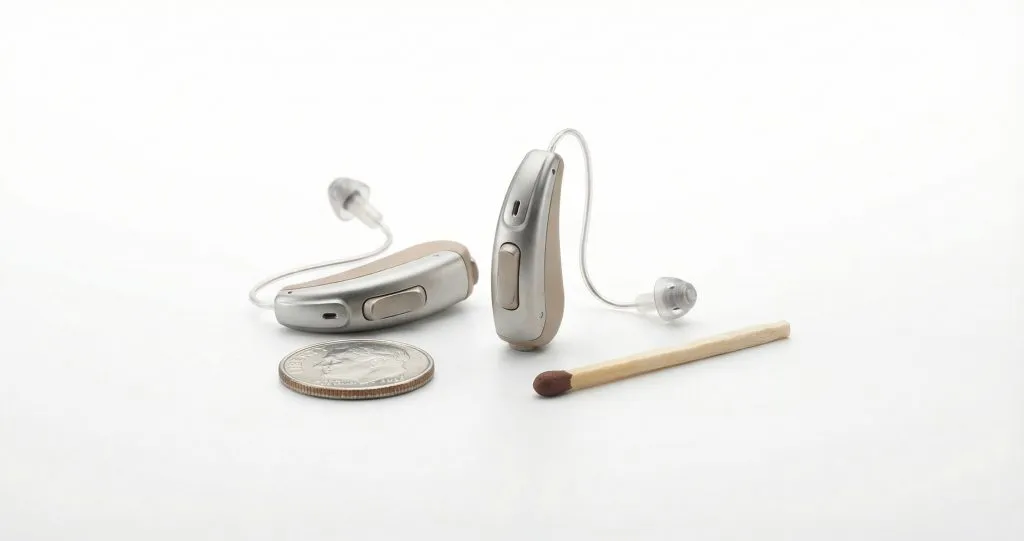
We utilise the latest advancements in hearing aid technology and diagnostic tools to ensure you benefit from the most up-to-date solutions available. This commitment to technology helps us provide you with superior sound quality and user-friendly features that enhance everyday life.
 06
06 Satisfaction Guaranteed
At CQ Audiology, your satisfaction is our priority. We stand behind our services with a satisfaction guarantee, ensuring that you feel confident and positive about your hearing care experience.




Hearing aid solutions
Choose from a wide range of hearing aids
Designed to suit various hearing-loss levels and lifestyles — we'll help you find the right fit.
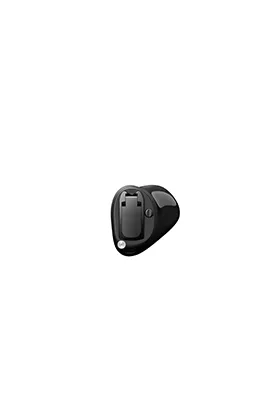
IIC Hearing Aids
Invisible-in-canal
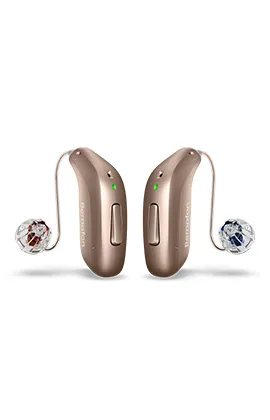
RITE Hearing Aids
Receiver-in-the-ear
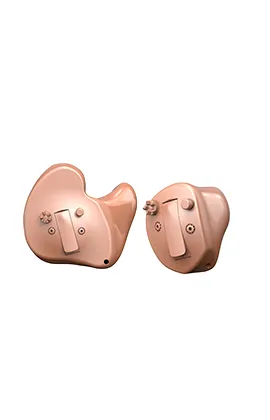
Custom Hearing Aids
Made to fit you
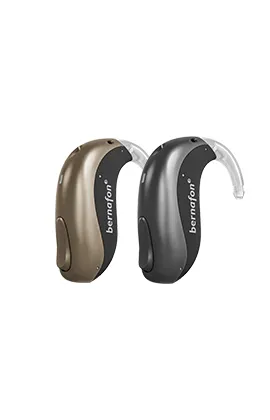
BTE Hearing Aids
Behind-the-ear
Manufacturers we work with
The hearing aid brands we offer
Experience the power of world-renowned brands — from cutting-edge sound processing to smart connectivity and sleek designs. We also offer other brands; please enquire by calling us directly.

Plus other leading manufacturers — ask us about your preferred brand.
Featured technology
Oticon Intent — hearing aids for everyday life
Discreet, rechargeable and smart — designed to fit seamlessly into your day. Ask us about the Oticon Intent range.
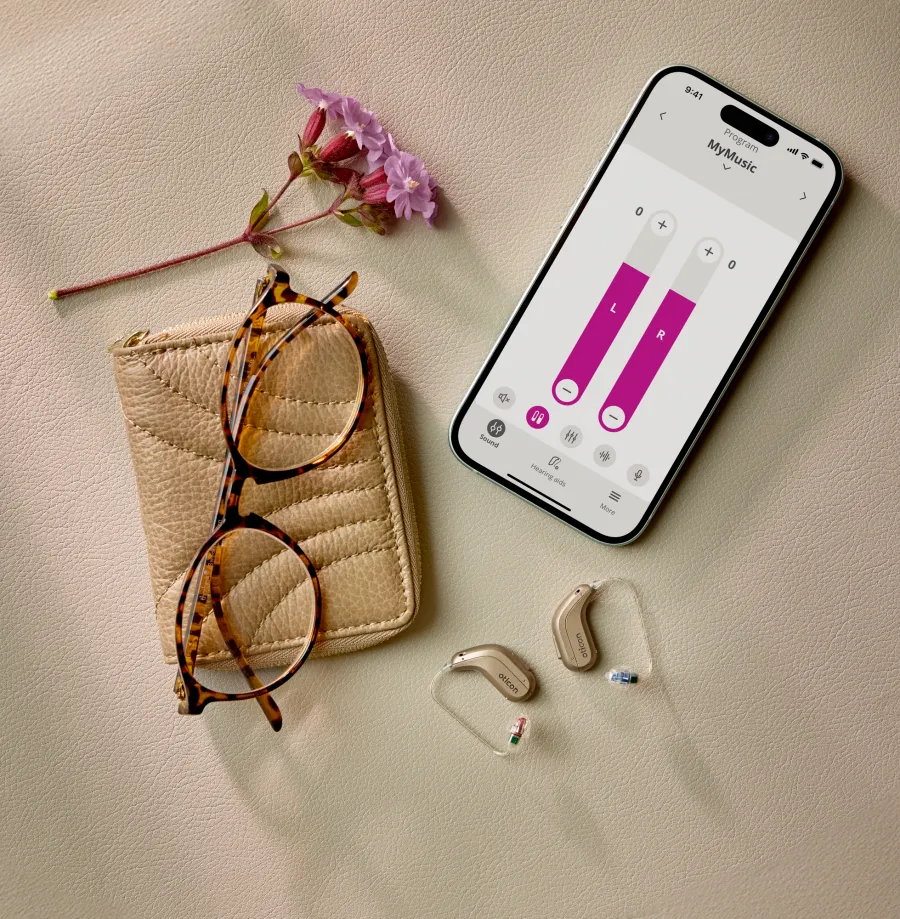
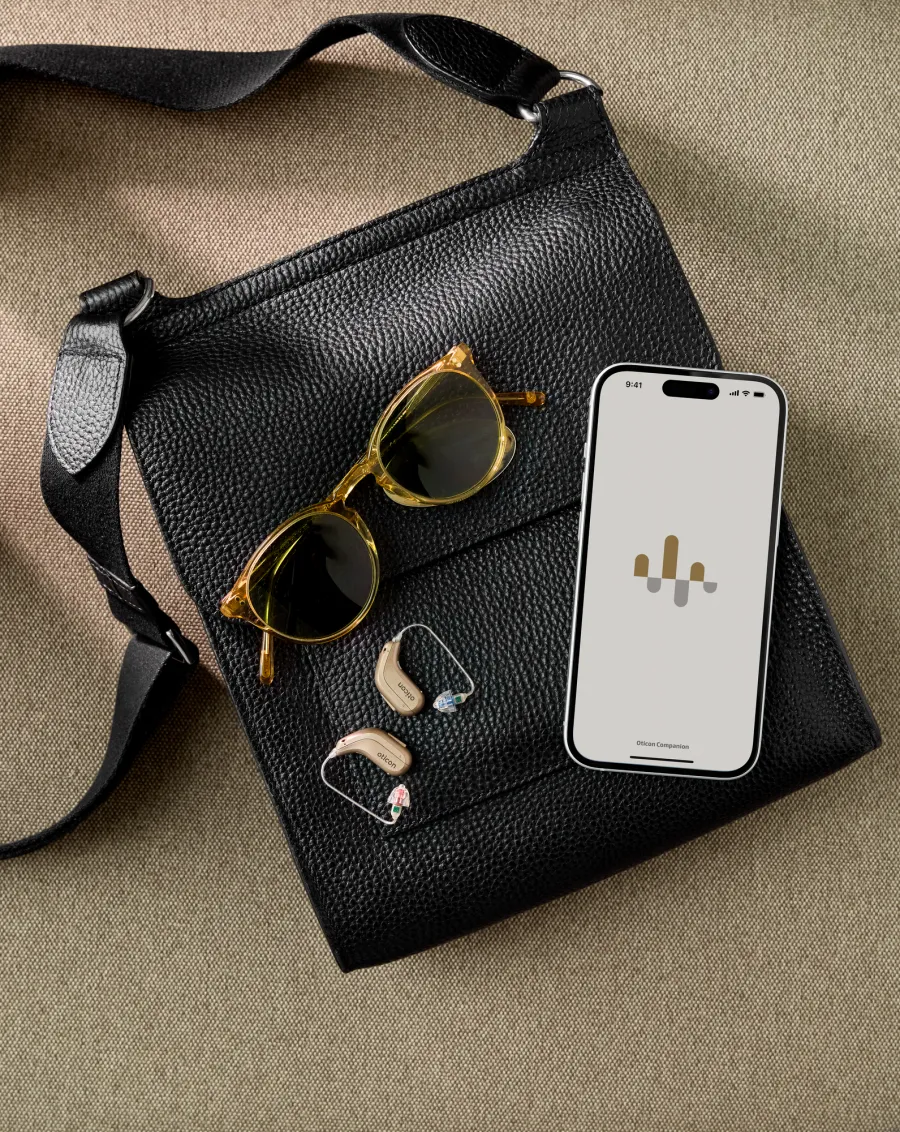
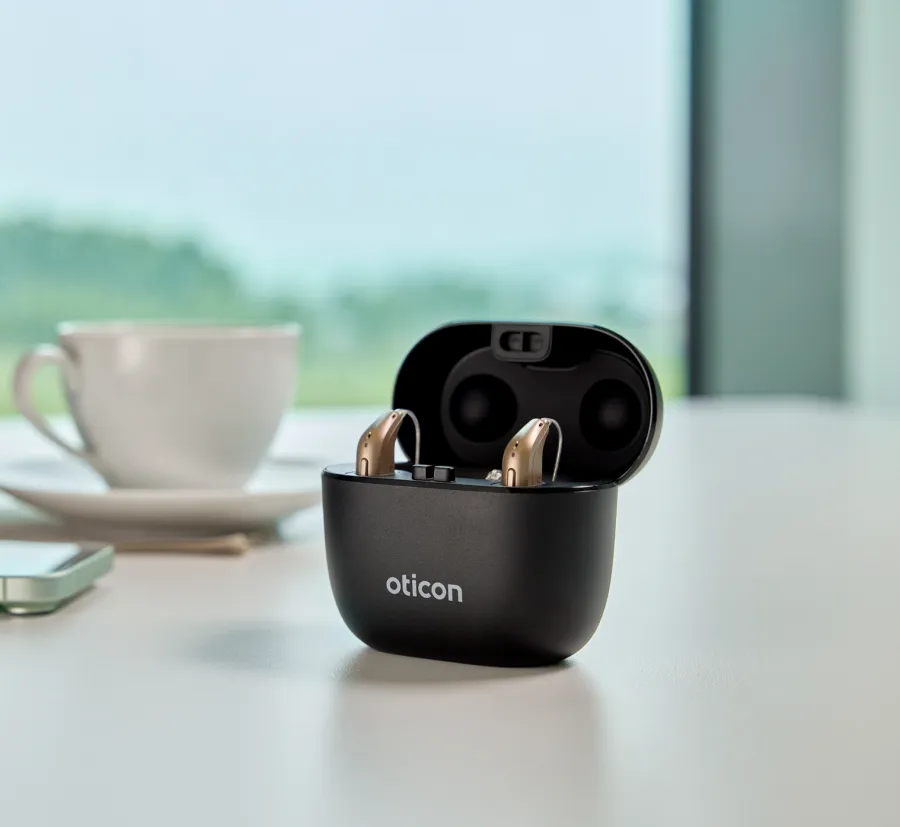
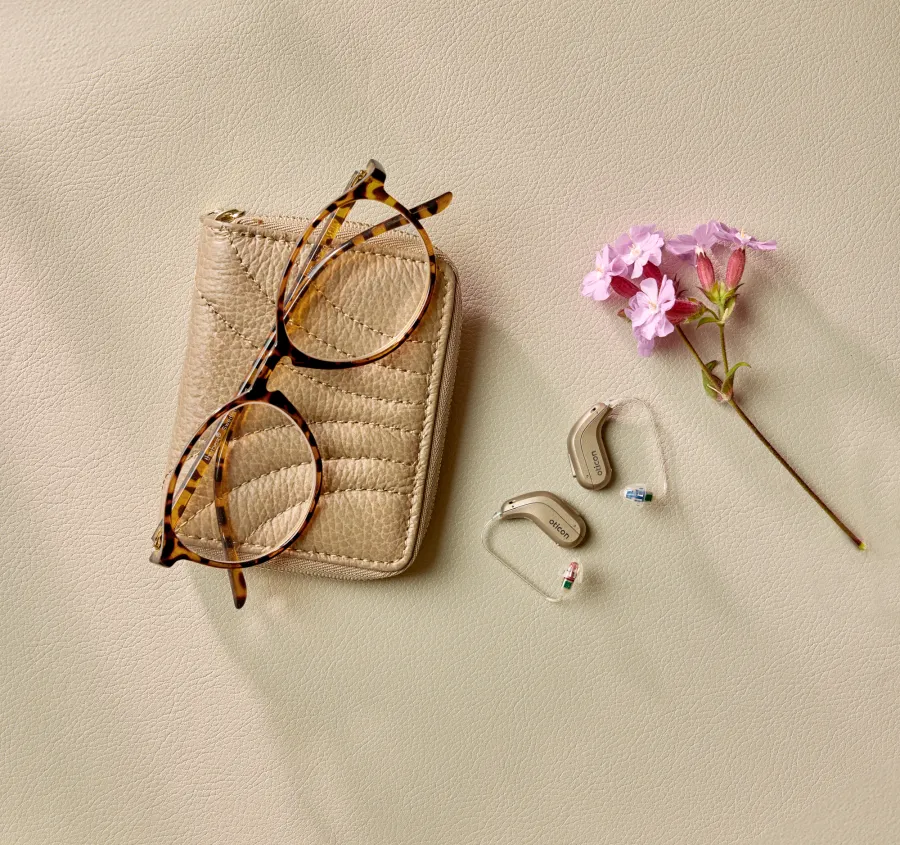
The latest Oticon range
Hearing technology is always advancing. Here are Oticon's current models — we'll help you find the one that suits your hearing, lifestyle and budget.
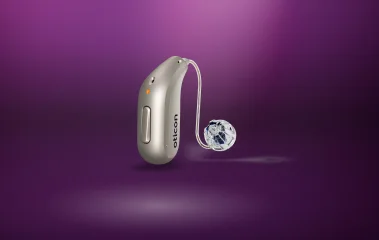
Oticon Intent
Oticon's flagship range, with 4D sensor technology and a second-generation Deep Neural Network that adapts to your movement and listening intentions in real time.
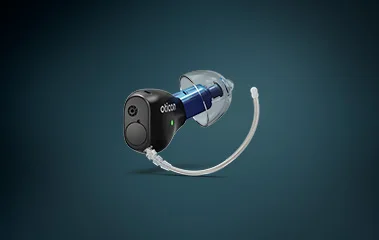
Oticon Zeal
A small, discreet in-the-ear hearing aid with always-on AI sound processing, a rechargeable battery (up to 20 hours) and direct streaming from your phone, TV and more.
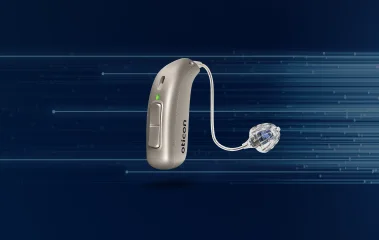
Oticon Real
Trained on real-world sounds to keep speech clear while taming sudden noise — available with rechargeable or disposable batteries.
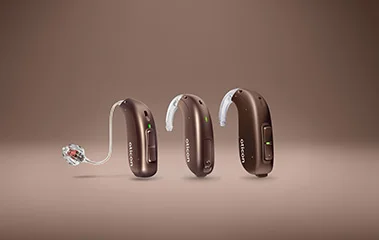
Oticon Verit
A premium range for those who prefer traditional disposable batteries, paired with Oticon's latest sound processing.
Not sure which is right for you? Book a consultation and we'll talk you through the options.
Areas we serve
Visiting clinics across Central Queensland
Our main clinic is in Rockhampton, and we run regular visiting clinics throughout the region so quality hearing care is always close to home.
See all locations →Get in touch
Book your hearing assessment today
Friendly, independent audiology care in the heart of Rockhampton, and across Central Queensland through our visiting clinics.
- 📍Visit our main clinic
T33 & 34A, City Centre Plaza, 24 Fitzroy Street, Rockhampton, QLD 4700 - ☎Phone
(07) 4848 6528 - ✉
- 🕑Trading hours
Mon-Fri: 9:00am - 5:00pm · Sat: 9:00am - 12:00pm · Sun: Closed