
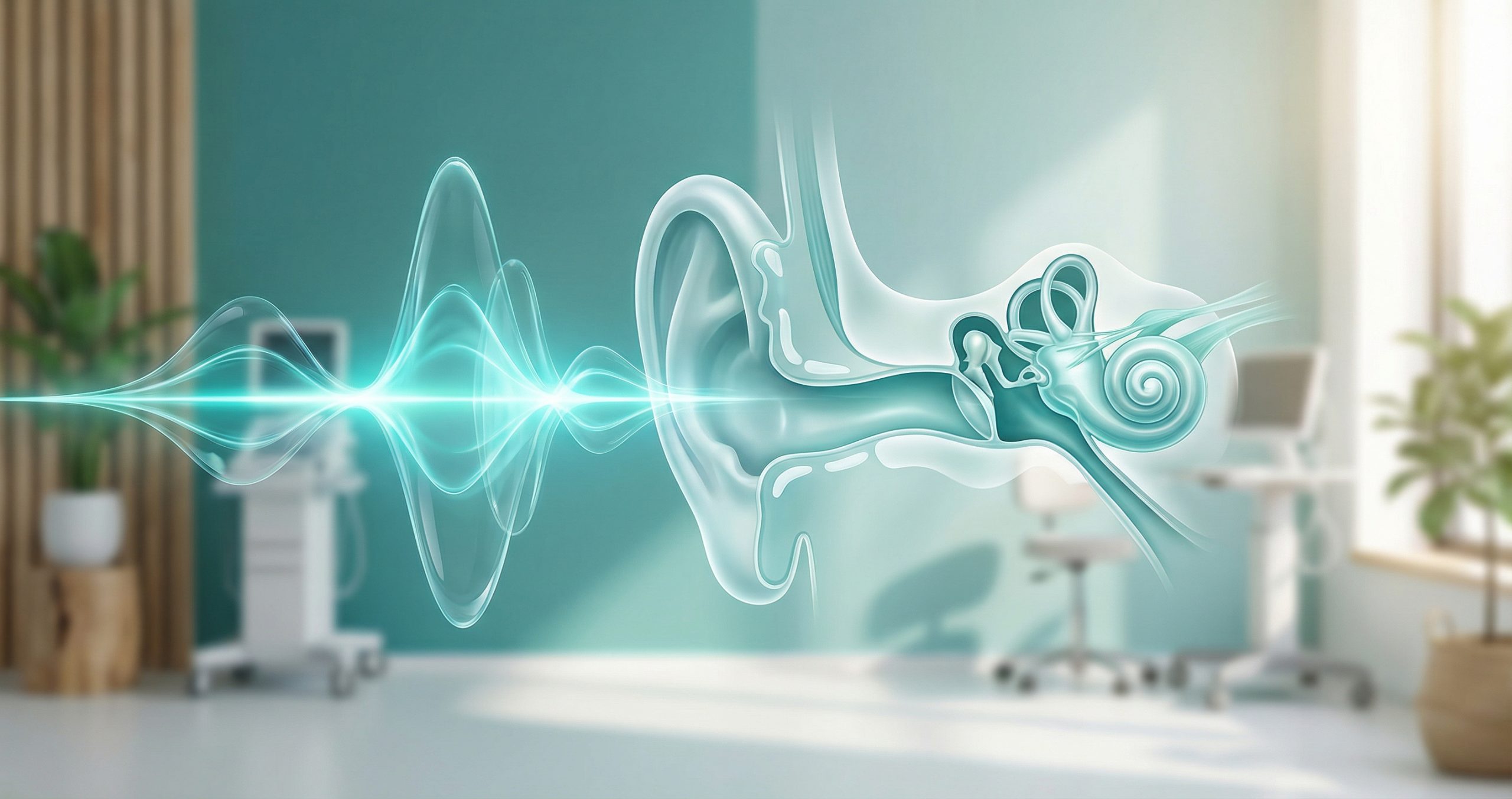
Understanding Tinnitus: What That Ringing in Your Ears Really Means
If you’ve ever experienced a persistent ringing, buzzing, or humming in your ears, you’re not alone. Tinnitus affects approximately 15-20% of Australians at some point in their lives. While it can be frustrating, understanding your options may help you find relief.
What Is Tinnitus?
Tinnitus is the perception of sound when no external sound is present. People describe it differently – some hear ringing, others notice buzzing, clicking, hissing, or even pulsing sounds. It can occur in one or both ears and may be constant or intermittent.
For many people, tinnitus is linked to hearing loss, though it can also result from exposure to loud noises, ear infections, certain medications, or age-related changes in the auditory system.
Treatment Options That May Help
While there is no single cure for tinnitus, several management strategies have helped many people reduce its impact on daily life:
1. Hearing Aids
For those with hearing loss alongside tinnitus, hearing aids may provide relief by amplifying external sounds, which can make the internal tinnitus sounds less noticeable. Many modern hearing devices include dedicated tinnitus management features.
2. Sound Therapy
Sound therapy uses external sounds to help mask or distract from tinnitus. This might include:
- White noise machines
- Nature sounds or ambient music
- Specialised tinnitus masking devices
- Smartphone apps designed for tinnitus relief
3. Tinnitus Retraining Therapy (TRT)
TRT combines sound therapy with counselling to help your brain learn to filter out tinnitus sounds. Over time, many people find the tinnitus becomes less bothersome as they develop new neural pathways.
4. Cognitive Behavioural Therapy (CBT)
CBT can help change the way you think about and respond to tinnitus. While it doesn’t eliminate the sound, it may reduce the distress and anxiety that often accompanies chronic tinnitus.
5. Lifestyle Modifications
Some people find relief through lifestyle changes such as:
- Reducing caffeine and alcohol intake
- Managing stress through relaxation techniques
- Getting adequate sleep
- Protecting ears from loud noises
- Regular exercise
When to Seek Professional Help
Consider consulting an audiologist if your tinnitus:
- Is persistent or getting worse
- Occurs in only one ear
- Is accompanied by hearing loss or dizziness
- Is affecting your sleep, concentration, or emotional wellbeing
- Is pulsatile (rhythmic, matching your heartbeat)
What to Expect at a Tinnitus Assessment
A comprehensive tinnitus assessment typically includes:
- A detailed hearing evaluation
- Discussion of your medical history and tinnitus symptoms
- Assessment of the pitch and loudness of your tinnitus
- Evaluation of how tinnitus affects your quality of life
- Discussion of management options suited to your individual needs
Take the First Step
Living with tinnitus can be challenging, but you don’t have to manage it alone. Our experienced audiologists at CQ Audiology can assess your hearing, discuss your symptoms, and explore which management strategies may work for your individual situation.
Book a tinnitus assessment today to start your journey toward better hearing health.
Disclaimer: The information provided in this blog post is for general informational purposes only and should not be considered as professional medical advice, diagnosis, or treatment. Always seek the advice of a qualified healthcare provider with any questions you may have regarding a medical condition. Individual results may vary.